

In commercial and industrial (C&I) energy projects, a feasibility study is a structured assessment that helps businesses decide whether deploying a commercial battery storage system is practical and financially sensible. For companies exploring C&I energy storage, this study provides clarity on technical, cost, and operational implications before committing to installation.
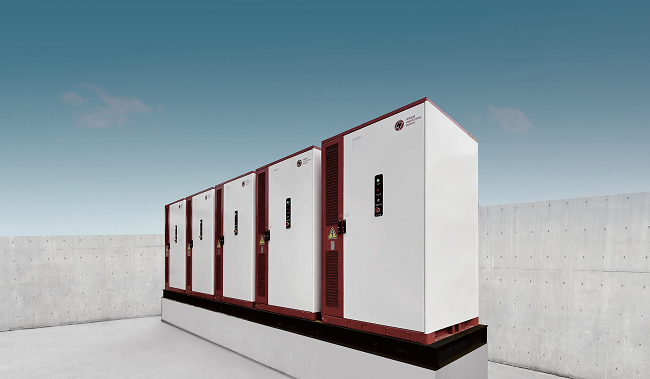
Start with Clear Objectives and Scope
Begin by defining what you want your C&I energy storage project to achieve. Are you focused on reducing peak electricity costs, improving operational power reliability, or optimizing on-site energy use? Establishing detailed goals informs the rest of the feasibility process. Understand how a commercial battery storage system could support these objectives by enabling peak-valley time shifting and managing load more effectively.
Assess the Technical Requirements
Evaluate your current energy infrastructure and usage patterns. Collect data on peak demand, energy consumption profiles, and existing electrical capacity limits. This technical evaluation should determine the size, configuration, and integration requirements of a commercial battery storage system. Consider how an energy storage system will interact with existing equipment and whether control systems or upgrades are needed to support peak shaving or demand charge management.
Analyze Financial and Market Factors
A practical feasibility study includes a detailed financial analysis. Estimate the capital expenditure for equipment, installation, and commissioning alongside projected operational savings. Look at utility rate structures and demand charges to quantify the potential return on investment over the life of the system. Include scenarios for varying electricity price trends to understand how shifts in peak and off-peak differentials could affect cost savings.
Evaluate Risks and Regulatory Considerations
Identify potential challenges such as permitting hurdles, grid connection requirements, or safety standards that could affect project progress. A commercial battery storage system must comply with relevant industry guidelines and local utility requirements. Assessing risks early, including technical and economic uncertainties, helps shape mitigation strategies and decision points.
Conclusion
Conducting a comprehensive feasibility study is essential for businesses considering C&I energy storage. HyperStrong‘s commercial battery storage solutions provide flexible, scalable, and reliable options that can be tailored to specific operational needs. By leveraging HyperStrong’s technology, businesses can confidently translate feasibility study insights into practical implementations that optimize energy use, manage costs, and support sustainability goals. Partnering with HyperStrong ensures that your C&I energy storage project is backed by experience, advanced system integration, and ongoing support to maximize long-term performance.