

Securing a patient’s airway is a fundamental procedure in critical care, utilizing specific medical devices based on clinical need. Two primary instruments for this purpose are the endotracheal tube and the tracheostomy tube. While both establish an artificial airway, their use cases and design intentions differ. Well Lead Medical provides insight into the distinctions between an endotracheal tube vs tracheostomy tube.
Placement Method and Duration of Use
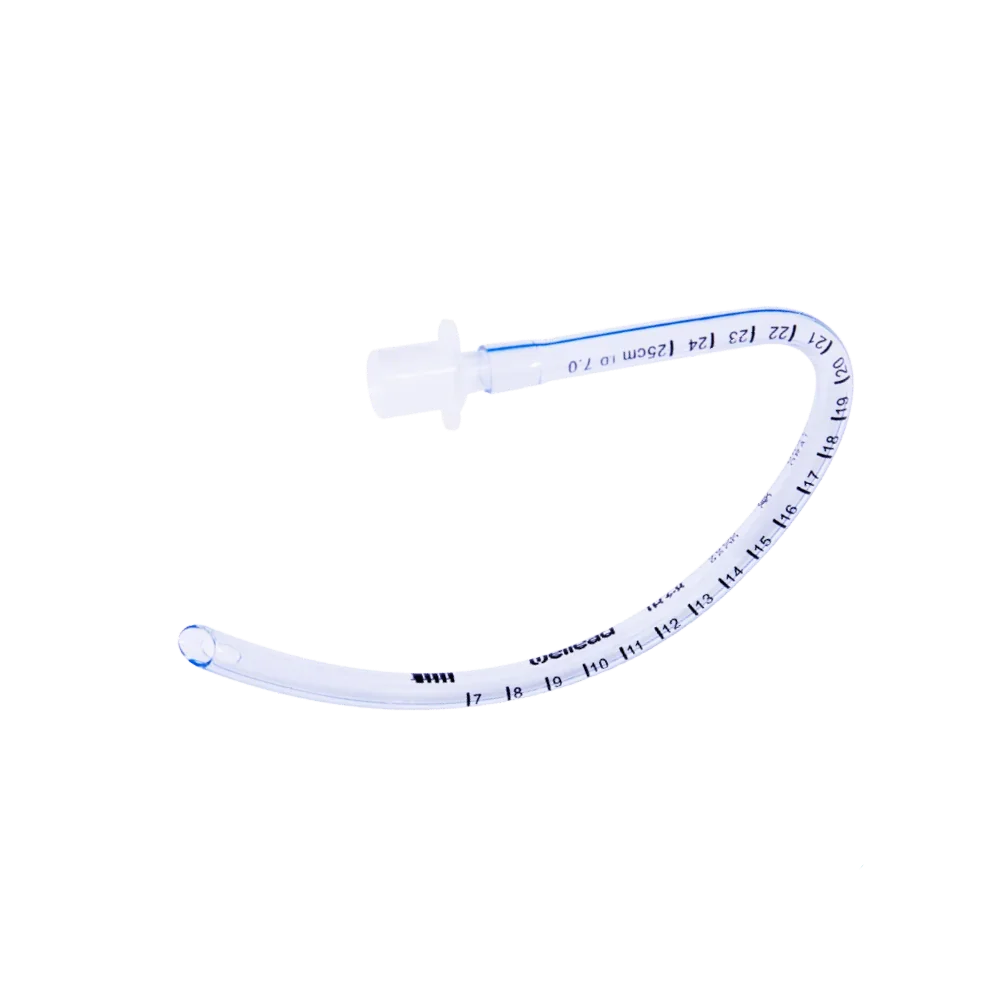
A key difference lies in how each tube is placed. An endotracheal tube is inserted through the mouth or nose and down the trachea, typically for short-term airway management during surgery or acute emergencies. In contrast, a tracheostomy tube is placed through a surgically created opening in the neck directly into the trachea. This method is generally for patients requiring prolonged mechanical ventilation or airway security.
Design and Patient Interface
The design of each tube reflects its intended use. An endotracheal tube is a single, flexible length designed for transoral or transnasal placement. A tracheostomy tube is often shorter, curved, and may consist of an outer cannula that remains in the stoma and an inner cannula that can be removed for cleaning. This design supports easier long-term airway care and patient comfort.
Primary Clinical Indications
The decision between an endotracheal tube vs tracheostomy tube hinges on the anticipated duration of support and patient condition. The endotracheal tube is standard for operating rooms and initial emergency stabilization, where airway control is needed for hours to several days. The tracheostomy tube is considered when ventilator support is expected for more than one to two weeks, aiding in weaning and reducing complications associated with long-term oral intubation.
In summary, the endotracheal tube and tracheostomy tube serve complementary roles in airway management. The choice is not between superior products but is guided by the required duration of support and specific patient care goals. Well Lead Medical acknowledges the importance of both devices in comprehensive respiratory care protocols.