

Renewable energy systems rely on effective management to ensure a stable power supply. Solar and wind resources generate electricity intermittently, necessitating hardware that can capture excess generation for later use. This is where advanced infrastructure, such as the battery cabinet, becomes essential for maintaining grid balance and maximizing self-consumption rates in commercial or industrial settings.
Enhancing Grid Stability
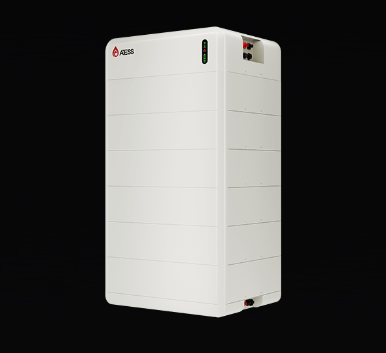
Incorporating sustainable power sources into existing infrastructure presents challenges due to the fluctuations inherent in natural generation. To address these, operators deploy a robust energy storage cabinet to smooth out supply peaks and bridge periods of low production. By holding charge during high-generation windows, these units provide a reliable buffer. Atess designs these systems with high energy density and modularity, allowing facilities to scale their capacity based on specific operational demands. These components help stabilize the local grid by providing rapid frequency response when the supply deviates from target levels.
Reliability in Industrial Operations
Industrial facilities require consistent power to function without interruption. When integrated with solar arrays, a dedicated battery cabinet serves as a primary defense against outages or voltage sags. These systems act as a bridge, ensuring that critical loads continue to receive power even when primary sources are unavailable. The operational durability provided by Atess ensures that these installations function reliably across various temperature ranges and environmental conditions. This technical resilience is vital for sites that cannot afford downtime or power quality issues during standard operations.
Future Perspectives on Storage
Integrating decentralized energy resources requires flexible and resilient hardware. Modern solutions focus on longevity and safety, ensuring that long-term investments provide consistent performance. As facilities expand their renewable footprint, the reliance on high-capacity hardware will grow. For organizations looking to manage their energy footprint, exploring dedicated solutions provides a path toward functional, site-specific configurations. The strategic use of this hardware supports a more predictable energy profile for industrial users, facilitating the transition toward decentralized power management.
Effective renewable integration depends on the quality of the hardware deployed on-site. By utilizing a reliable energy storage cabinet such as those from Atess, businesses can manage fluctuations and increase their energy independence. These systems provide the necessary support to ensure that power remains available and stable throughout the day.